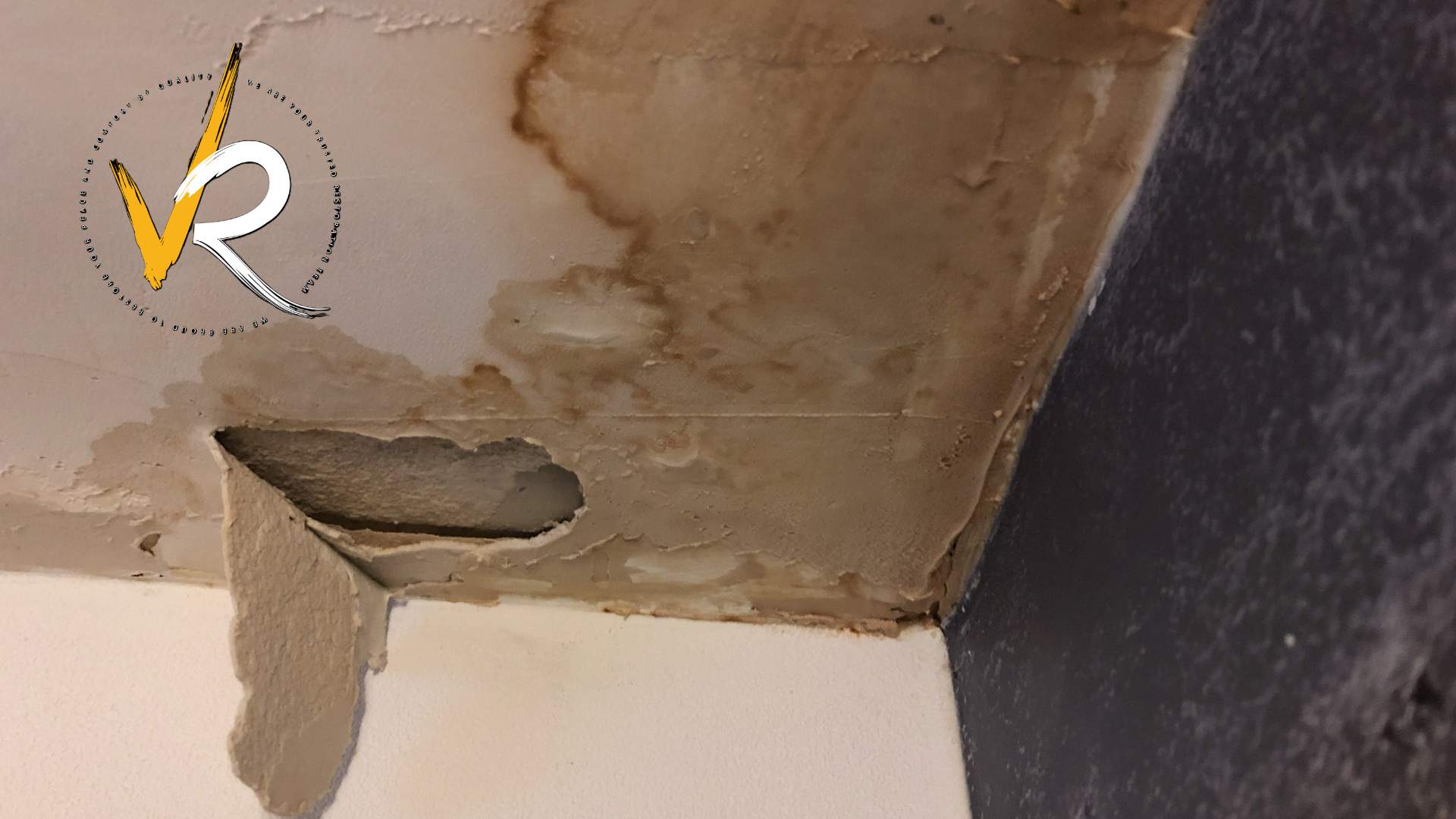
Quick answer. Protect people first. Shut off the water if the leak is from a supply line, stop using the fixture if it is a drain, and cover exterior leak points if weather allows. Take photos, move items away from the wall, and start safe airflow. Open the wall low and small to release trapped water only when power is safe. For free help call +1 604 800 3900.
Free on site assessment and claim ready estimate 📞 Call +1 604 800 3900
Serving Vancouver West Vancouver and North Vancouver every day
Early Signs Of A Wall Leak
- Soft drywall, bubbling paint, or hairline cracks near baseboards
- Musty smell in one room or closet that does not clear
- Warm or cool spots on the wall compared to nearby areas
- Flooring cupping or swollen trim under the suspected wall
- Water sounds when no fixtures are running
Safety First
- Stay clear of outlets and switches on the wet wall
- If water is near power, do not touch the wall. Wait for a professional
- Do not cut or drill where electrical lines or gas pipes may run
- Use gloves and eye protection when removing wet materials
Find And Stop The Source
Supply line leak
- Close the nearest shutoff valve. If none, close the main water valve
- Open a lower faucet to relieve pressure
Drain or fixture leak
- Stop using the sink tub or appliance that drains into that wall
- Place a pan or bucket if water is dripping at a visible point
Rain or exterior leak
- Cover exterior entry points with a tarp if weather and access are safe
- Move water away from the foundation with downspout extensions
Step By Step Emergency Actions
- Protect the area. Move furniture and rugs, place towels at the base of the wall
- Document. Take wide and close photos and a short video of the wall and suspected source
- Start airflow. Open inside doors and use a fan to move air across the wall surface, not into open cavities
- Control humidity. Run a dehumidifier in the room and empty it often
- Monitor. Mark the highest wet line with painter tape to see if it spreads
Small leaks can dry with quick control. Ongoing leaks or wet insulation need a targeted opening and professional drying.
When To Open The Wall
- Drywall is soft or buckled and stays wet after a full day of airflow
- You see staining grow or smell is stronger behind baseboards
- Water is trapped inside the cavity and seeping out at the base
Safe approach. Turn off power to that circuit if outlets are on the wall. Remove the baseboard. Cut a small strip of drywall near the floor to release water and view the cavity. Avoid cutting higher until utilities are located. Photograph what you see.
Drying The Wall The Right Way
- Extract standing water with a wet vacuum
- Use air movers across the opening to move air through the cavity
- Run dehumidifiers to control room humidity
- Remove wet insulation that will not dry in place
- Check daily until materials reach dry targets
Learn more on our Water Damage Restoration page and Mold Remediation page.
Need Home Construction or Remodeling? Check VR Plus Construction
Common Mistakes To Avoid
- Leaving the wall closed when insulation is wet
- Aiming fans directly into open cavities without a plan
- Painting over stains before the wall is fully dry
- Delaying more than a day, which raises the chance of mold
- Throwing away parts before you take photos for your claim
Insurance And Documentation In BC
- Note the time you found the leak and what you did first
- Take photos of the source, the wall, and any damaged items
- Keep receipts for fans dehumidifiers and supplies
- Many policies cover sudden and accidental water loss. Your broker can confirm details
- We prepare a claim ready estimate with photos and moisture logs and coordinate with your adjuster
Typical Timeline And Scope
| Step | What it includes | Typical time | What affects scope |
|---|---|---|---|
| Leak control | Shutoff, source check, basic protection | Same day | Access to valves and fixtures |
| Selective opening | Remove baseboard, low drywall strip, inspection | Same day | Utilities in wall, finish type |
| Drying and monitoring | Air movers, dehumidifiers, daily readings | Two to five days | Insulation, humidity, temperature |
| Cleanup | HEPA vacuum, wipe down, odor control | One to two days | Water type and surface area |
| Repairs | Drywall patch, paint, trim reinstall | Project dependent | Finish choices and access |
Prevention For Next Time
- Label the main water shutoff and test it twice a year
- Install easy shutoffs on toilets and sinks
- Refresh caulk at tubs showers windows and exterior penetrations
- Insulate pipes on exterior walls and in cold rooms
- Keep gutters clear and extend downspouts away from the wall
- Check washing machine hoses and dishwasher lines for wear
FAQs
Should I cut the wall open right away
Only after power is safe and the source is controlled. Start with a small opening near the base after removing the trim. Photograph everything.
Can fans and a dehumidifier dry the wall without opening it
Sometimes for light wetting on the surface. If insulation is wet or the smell grows you need a targeted opening and controlled drying.
How soon can mold start
Growth can begin within one to two days on wet materials. Quick action keeps the scope small.
Will insurance cover this
Many policies cover sudden and accidental water loss. We document the event and provide a clear estimate to support your claim.
Talk To A Local Water Damage Team
VR Plus Restoration responds fast across Vancouver West Vancouver and North Vancouver. We stop the source, dry the wall to target levels, remove damaged materials, and rebuild with care. We guide your insurance claim in simple steps.
Free estimate and fast response 📞 Call +1 604 800 3900
Leave a Reply