Quick answer. Snow can cause water damage during deep cold and again during the thaw. The main risks are ice dams at the roof edge, frozen and burst pipes, clogged gutters that overflow into walls, and meltwater that enters basements. Act fast to stop the source, dry materials, and protect your home.
Free inspection and claim ready estimate 📞 Call +1 604 800 3900
Serving Vancouver West Vancouver and North Vancouver every day
Why Snow Creates Water Damage In Metro Vancouver
- Snow followed by rain causes rapid melt that overwhelms gutters and downspouts
- Cold roof edges with warmer attics form ice dams that push meltwater under shingles
- Outdoor lines and pipes near exterior walls freeze and split during cold nights
- Packed snow against foundations melts inward and raises moisture in basements
These conditions can lead to leaks that start small and spread fast once temperatures rise.
How The Damage Happens
- Roof edge melt. Heat escaping into the attic melts snow high on the roof. Water flows down and refreezes at the cold edge and forms a ridge. Meltwater backs up and seeps under shingles into ceilings and walls.
- Frozen plumbing. Water expands when it freezes. Lines in unheated spaces or near vents can split. When they thaw the break releases water into floors and cavities.
- Gutter and drain issues. Ice or packed debris blocks outlets so meltwater spills behind fascia or over siding.
- Foundation wetting. Meltwater pools near the house and wicks through concrete into finished rooms.
Immediate Steps To Take Today
- Protect people first. Watch for ceiling sag, wet electrical fixtures, and slippery floors.
- Shut off the water main if you suspect a burst pipe.
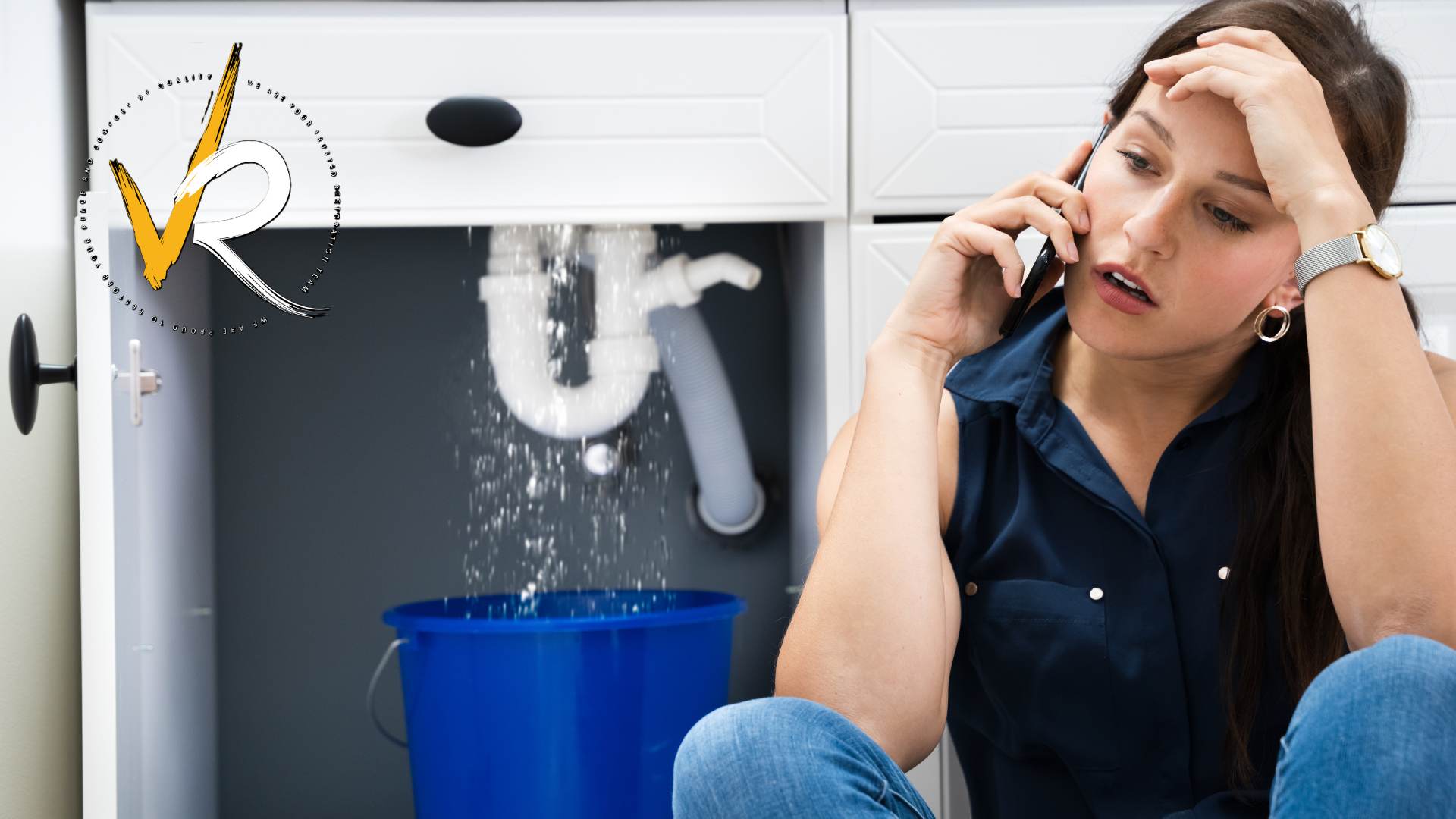
- Catch active drips in clean containers and poke a small relief hole in a bowed ceiling only if safe.
- Move furniture and rugs from wet areas. Place foil or wood blocks under legs.
- Start controlled drying. Ventilate, run a dehumidifier, and use fans that do not blow into walls.
- Take wide and close photos and write a simple timeline from first signs to now.
- Call for an on site assessment and a claim ready estimate.
Post Storm And Thaw Checklist
- Check ceilings around exterior walls and skylights for new rings or damp seams
- Open the attic hatch and look for dark patches on roof sheathing near the eaves
- Clear downspout mouths and make sure they discharge away from the foundation
- Walk the basement and check carpet edges and baseboards for dampness
- Listen for hissing or running water when no fixtures are on which may point to a break
Early Signs And What To Do
| Sign | Likely cause | Action now |
|---|---|---|
| Ceiling stains near exterior walls | Ice dam forcing water under shingles | Photograph, control drip, check attic edge, book inspection |
| Wet window trim and sill | Snow melt blowing against frames, blocked weep holes | Wipe dry, open blinds for airflow, clear weep paths |
| Sudden drop in water pressure | Frozen or split pipe in a cold zone | Shut main, open taps to relieve pressure, call for help |
| Damp carpet at foundation edge | Meltwater pooling near walls | Extend downspouts, set dehumidifier, request moisture mapping |
Ice Dams And Roof Leaks
Do not chip ice on the roof. This can damage shingles. From the ground you can use a safe roof rake to pull loose snow off the first few feet of roof edge. Indoors, collect drips and protect floors. A professional team can install heat cables, improve attic airflow, and verify insulation to reduce future ice formation.
Frozen And Burst Pipes
- Open cabinet doors under sinks on exterior walls to let warm air in
- Leave a slow cold trickle at far taps during very cold nights
- Warm suspected frozen sections with gentle heat such as a hair dryer never an open flame
- After thaw check for new water sounds or meter movement that can reveal a split
If a line breaks shut the main, take photos, and call for emergency extraction and drying.
Basement And Crawlspace Tips
- Keep snow and ice away from the foundation and clear a small channel for meltwater to drain away
- Test sump systems and consider a backup if outages are common
- Store boxes on shelves and use plastic bins so items stay off the slab
- Look for white mineral residue on concrete which indicates moisture movement
Insurance Notes In BC
Policies often cover sudden and accidental water damage such as a burst pipe or an ice dam that causes an interior leak. Gradual issues and maintenance problems are often excluded. Fast reporting and clean documentation improve results. We provide photos, moisture logs, and a claim ready estimate and we coordinate with your adjuster.
Prevention For The Rest Of The Season
- Keep attic intake and exhaust paths clear for steady airflow
- Add insulation where heat loss warms the roof deck
- Clean gutters and make sure downspouts flow well away from the home
- Insulate exposed pipes and seal cold air leaks around openings
- Use a small meter and keep indoor humidity near or below fifty percent
FAQs
Should I remove snow from the roof
Removing the first few feet at the edge can reduce ice dams. Use a roof rake from the ground. If access is unsafe call a professional.
How fast can mold start after a snow related leak
Growth can begin within one to two days on wet materials. Early drying keeps the scope small and helps your claim.
Do I need to move out during drying
Not always. We can set containment so clean rooms remain usable. If the kitchen or only bathroom is affected a short stay away may be more comfortable.
Book A Free Winter Water Damage Inspection
VR Plus Restoration responds fast across Vancouver West Vancouver and North Vancouver. We stop the source, extract standing water, set clean containment, dry to target levels, and rebuild with care. We also help with insurance from first call to final sign off.
Talk to a certified technician now 📞 Call +1 604 800 3900
Free inspection and estimate with simple insurance help
Explore related services Water Damage Restoration and Mold Remediation
Leave a Reply